Easter in Marbella combines traditional Semana Santa processions with spring weather, busy restaurant terraces and the reopening of many seasonal venues.

Semana Santa 2027 runs from Palm Sunday, 21 March, to Easter Sunday, 28 March. Marbella may also hold an opening procession on Saturday, 20 March, known as Sábado de Pasión. Exact procession times and routes are normally announced closer to Easter.

Marbella Old Town is the centre of the celebrations, but processions also take place in San Pedro Alcántara and Nueva Andalucía. Watching them from the street is free, and no ticket is required.

Beyond the religious celebrations, Easter is a good time for beaches, golf, walking and family activities. Marbella becomes considerably busier from Maundy Thursday to Easter Sunday, so accommodation and popular restaurants should be booked in advance.

Easter in Marbella 2027: Key Dates

DateEaster eventWhat to expect
Saturday, 20 MarchSábado de PasiónMarbella may hold an opening procession before Holy Week officially begins
Sunday, 21 MarchPalm SundayA lively, family-friendly start to Semana Santa
Monday, 22 MarchHoly MondayEvening procession through Marbella’s historic centre
Tuesday, 23 MarchHoly TuesdayAn evening procession normally takes place in central Marbella
Wednesday, 24 MarchHoly WednesdayProcessions may take place in Marbella, San Pedro Alcántara and Nueva Andalucía
Thursday, 25 MarchMaundy ThursdayOne of the busiest and most atmospheric nights
Friday, 26 MarchGood FridaySolemn evening processions and a public holiday
Saturday, 27 MarchHoly SaturdayA quieter day between the principal processions
Sunday, 28 MarchEaster SundayMorning Resurrection processions conclude Holy Week

Maundy Thursday and Good Friday are public holidays in Andalucía. Easter Monday is not normally a public holiday in the region.

The dates of Holy Week are fixed, but Marbella’s official 2027 procession times and routes have not yet been published. Check the official Marbella Semana Santa programme shortly before attending.

Easter Processions in Marbella

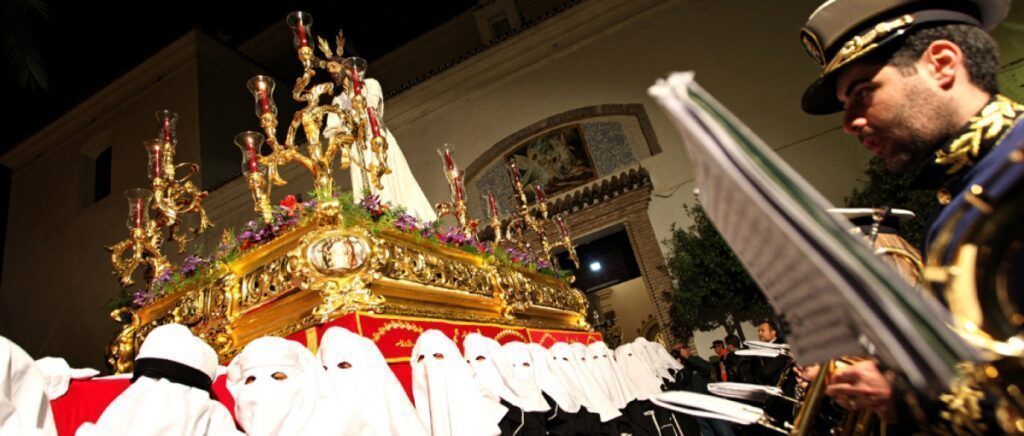
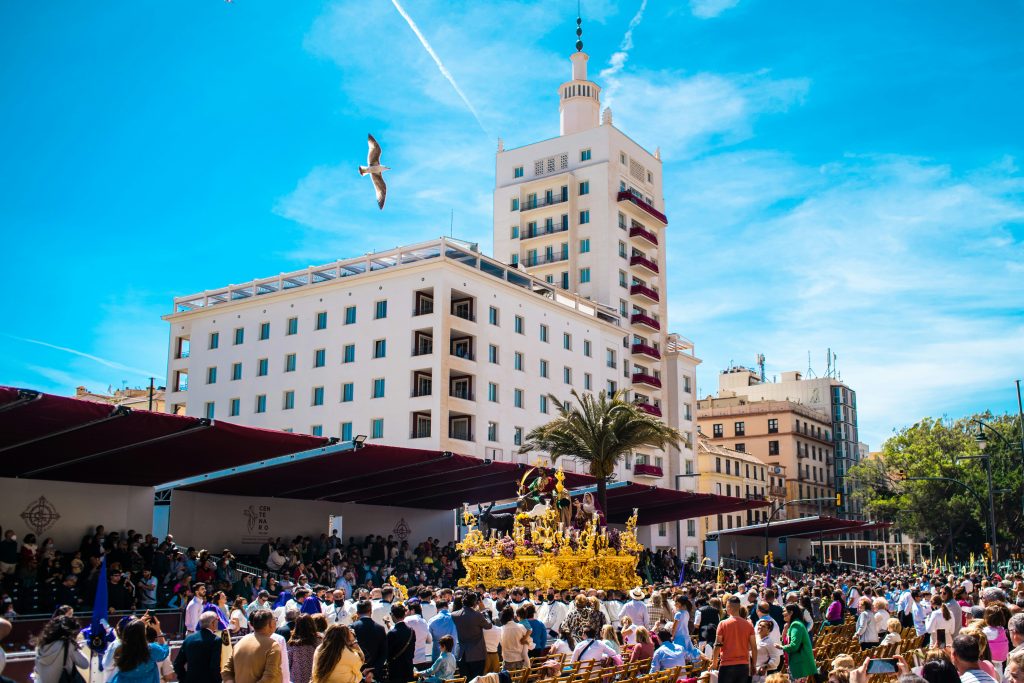
Semana Santa, or Holy Week, commemorates the final days of Jesus Christ and his resurrection. Religious brotherhoods carry large sacred floats, known as tronos, through Marbella’s streets, accompanied by marching bands, candles, incense and participants dressed as Nazarenos.

Visitors sometimes refer to these events as the Marbella Easter parade, but they are religious processions rather than conventional parades. Some are lively and musical, while others are intentionally quiet and solemn.

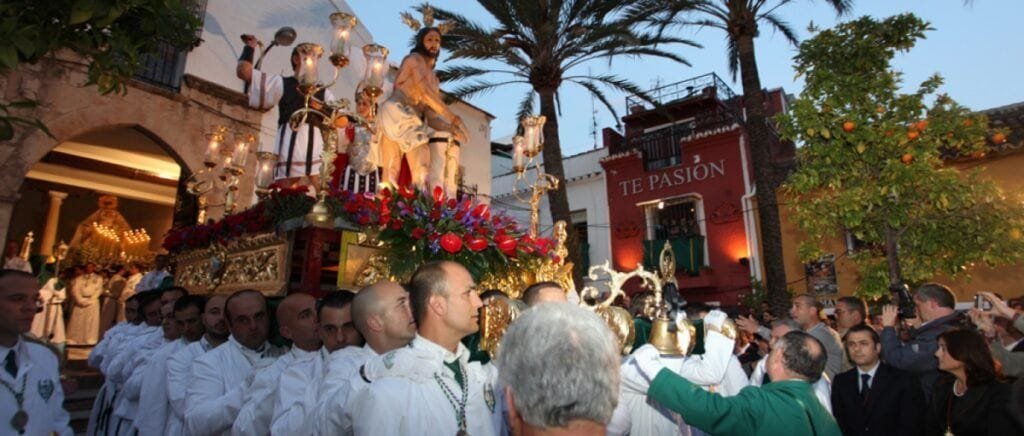
The heavy floats carry religious sculptures decorated with flowers, candles and metalwork. They are transported slowly through the streets by teams of bearers, with frequent stops along the route.

Marbella’s processions are smaller than those in Málaga or Seville, but the narrow streets and historic buildings of the Old Town provide a particularly intimate setting.

easter in marbella
The Nazarenos (also known as penitents)

Marbella Easter Processions: Day-by-Day Guide

Marbella’s programme normally follows a similar pattern each year, although departure times, routes and participating images can change. The following guide explains the principal processions visitors can usually expect.

Palm Sunday: La Pollinica

Palm Sunday marks the beginning of Semana Santa. Marbella’s La Pollinica procession traditionally represents Jesus’s entry into Jerusalem and usually departs from the Church of Nuestra Señora de la Encarnación. Previous processions have included around 300 penitents and two tronos.

The procession culminates upon returning to its starting point, where both thrones are enclosed. 

The atmosphere is lively and welcoming, making Palm Sunday one of the most accessible procession days for families and first-time visitors.

Holy Monday: La Columna

Holy Monday is traditionally associated with La Columna, featuring the image of Christ Bound to the Column and the María Santísima Virgen Blanca.

The procession normally begins near the Ermita del Santo Cristo before passing through Marbella Old Town. Previous processions have involved approximately 390 Nazarenos, wearing white and green tunics and capirotes.

Plaza Santo Cristo and Calle Ancha are among the atmospheric locations commonly included in its route.

Holy Tuesday: El Cautivo and Santa Marta

Holy Tuesday normally brings the procession of Nuestro Padre Jesús Cautivo, Santa Marta and associated religious images through central Marbella. Previous editions have involved approximately 200 penitents wearing white and blue tunics. One of the most atmospheric moments is traditionally its passage along Calle Virgen de los Dolores before returning to its starting point.

It traditionally departs from the Church of Nuestra Señora de la Encarnación and has a strong local following. Check the official itinerary before choosing a viewing position because the route can change.

Holy Wednesday: El Nazareno

The Nuestro Padre Jesús Nazareno procession traditionally takes place on Holy Wednesday.

This is generally one of the more solemn evenings of Semana Santa in Marbella. Departuring from the Church of Nuestra Señora de la Encarnación, the procession normally passes through the streets surrounding the Old Town. Previous processions have included around 225 Nazarenos, 110 bearers and more than 40 women wearing the traditional black mantilla.

Holy Wednesday processions may also take place in San Pedro Alcántara and Nueva Andalucía.

Maundy Thursday: Calvario, Cristo del Amor and Vera Cruz

Maundy Thursday is usually the busiest and most intense night of Marbella’s Semana Santa.

Several brotherhoods traditionally take to the streets, including Calvario, Cristo del Amor and Vera Cruz. Calvario normally departs from the Ermita del Calvario with two thrones transporting one of the oldest and highly esteemed carved pieces through Marbella’s streets, while Cristo del Amor begins from the Ermita de Santiago in Plaza de los Naranjos and traditionally carries three thrones. Vera Cruz normally departs from the Capilla Santo Cristo. 

Processions may overlap and continue until late at night or into the early hours of Good Friday.

Plaza de los Naranjos, Plaza Santo Cristo and the streets surrounding the Old Town become particularly busy. Arrive early and check the individual routes before deciding where to stand.

Good Friday: Yacente and Soledad

Good Friday has a quieter and more solemn character.

The processions of Cristo Yacente and Nuestra Señora de la Soledad traditionally start from Casa Hermandad at Plaza Santo Sepulcro and move through central Marbella during the evening, concluding late at night at the starting point. The Soledad procession has previously involved around 300 nazarenos.

Music, candles and periods of silence create one of the most reflective moments of Holy Week. Spectators should keep noise to a minimum and avoid crossing the procession.

Easter Sunday: El Resucitado

Easter Sunday concludes Semana Santa with the procession of Cristo Resucitado.

Easter Sunday traditionally brings together Marbella’s brotherhoods at the Church of Nuestra Señora de la Encarnación in the Old Town. Previous editions have featured three tronos, and the mood is noticeably more joyful than on Good Friday, and the morning programme traditionally brings together participants from Marbella’s different brotherhoods.

Easter Sunday is another suitable option for families who prefer a daytime event and a more celebratory atmosphere.

easter in marbella
Marbella Semana Santa procession | Photo: Encarnación Marbella

Where to Watch the Easter Processions in Marbella

Most Easter processions in Marbella pass through or close to the Old Town. The best location depends on the route announced for that day, but the following places are regularly used.

Plaza de la Iglesia

Many processions begin or finish near the Church of Nuestra Señora de la Encarnación. This is one of the most significant viewing locations but also one of the busiest.

Plaza de los Naranjos

Marbella’s historic square provides a picturesque setting surrounded by traditional buildings and orange trees. Standing space fills quickly during the principal processions.

Calle Ancha

This narrow Old Town street allows spectators to see the floats at close range. It can become congested and may not be comfortable for visitors who dislike confined crowds.

Plaza Santo Cristo

Plaza Santo Cristo is particularly atmospheric when processions pass the Ermita del Santo Cristo. Check the route before waiting there because not every procession uses the same streets.

Tips for Watching Semana Santa in Marbella

A little planning makes the experience much easier:

– Check the official route and departure time on the day.

– Arrive 45–60 minutes early for major evening processions.

– Wear comfortable shoes because you may be standing for a long time.

– Avoid driving into Marbella Old Town during procession hours.

– Expect temporary road closures and changes to taxi or bus access.

– Do not cross between the procession, musicians or people carrying the floats.

– Keep noise to a minimum during solemn moments.

– Allow additional time when moving between the Old Town and the seafront.

Processions can be delayed, shortened or cancelled if rain makes conditions unsafe. The religious artworks and floats cannot normally be exposed to wet weather.

Visitors with reduced mobility or concerns about dense crowds should choose a wider street outside the narrowest part of the Old Town and arrive before access becomes congested.

Semana Santa in San Pedro Alcántara and Nueva Andalucía

San Pedro Alcántara normally holds processions on several days, including Palm Sunday, Holy Wednesday, Maundy Thursday, Good Friday and Easter Sunday. 

Its late-night Procesión del Silencio is traditionally one of the most atmospheric events, while its Palm Sunday and Easter Sunday processions have a more celebratory character.

Nueva Andalucía generally has a smaller programme, commonly including Palm Sunday, Holy Wednesday and Easter Sunday processions.

Check the separate San Pedro Alcántara and Nueva Andalucía schedules on the official municipal website because times and routes change annually.

Parking in Marbella During Semana Santa

Parking near Marbella Old Town becomes difficult during Semana Santa, particularly on Maundy Thursday and Good Friday. Procession routes require temporary road closures, and access can change throughout the evening.

Arrive early, park outside the historic centre and continue on foot. Our guide to parking in Marbella Old Town covers the principal car parks and their locations. 

Check the official procession route before choosing a car park so your vehicle is not separated from you by a road closure.

Easter Food and Traditions

Holy Week is a good opportunity to try traditional Andalusian dishes and seasonal sweets.

Look for:

  • Potaje de vigilia: a chickpea, spinach and cod stew traditionally eaten during Lent or Holy Week
  • Torrijas: bread soaked in milk or wine, fried and finished with sugar, cinnamon or honey
  • Pestiños: fried pastries flavoured with spices and often coated in honey
  • Cod dishes: commonly served during Lent and Holy Week
  • Buñuelos: small fried pastries that may be served plain or filled

Torrijas are normally the easiest Easter speciality to find in Marbella’s cafés, bakeries and restaurant dessert menus. Recipes range from traditional honey and cinnamon to cream- or chocolate-filled versions.

Restaurants in the Old Town, Golden Mile and Puerto Banús are particularly busy from Maundy Thursday to Easter Sunday.

What Is Open in Marbella During Easter?

Most restaurants, cafés and visitor-oriented businesses continue operating during Easter because it is an important holiday period. However:

– Banks and government offices close on public holidays.

– Some supermarkets and shops close or operate reduced hours on public holidays and Easter Sunday

– Independent businesses may follow their own holiday schedules.

– Museums and attractions may operate special opening hours.

– Roads surrounding procession routes may close temporarily.

– Public transport may be diverted or delayed.

Marbella is an important tourist destination, so some shops may open when retailers elsewhere in Spain are closed. Nevertheless, do essential shopping in advance and verify any particular business’s opening hours.

Weather in Marbella at Easter

The weather during Easter varies because the holiday can fall anywhere between late March and late April.

Easter 2027 falls in late March, so expect mild spring conditions with the possibility of sunshine, rain and cooler evenings. Daytime weather may be comfortable enough for terraces and the beach, but warm swimming conditions are not guaranteed.

Rain can affect procession schedules, so check the same-day forecast rather than relying on a long-range prediction. If rain disrupts your plans, see our guide to what to do in Marbella when it rains.

Things to Do in Marbella at Easter

The processions are the principal seasonal attraction, but there are plenty of other things to do in Marbella at Easter.

Explore Marbella Old Town

Explore Marbella’s shops, cafés and galleries before the evening procession crowds arrive. See the remains of Marbella Castle and visit the Church of Nuestra Señora de la Encarnación, where the religious floats and floral arrangements may be displayed before the processions.

Enter churches quietly and avoid visiting during services unless you intend to attend.

As part of Easter week, ‘Órgano del Sol Mayor y la Coral Polifónica Ciudad de Marbella’ generally play at the Church of the Incarnation.

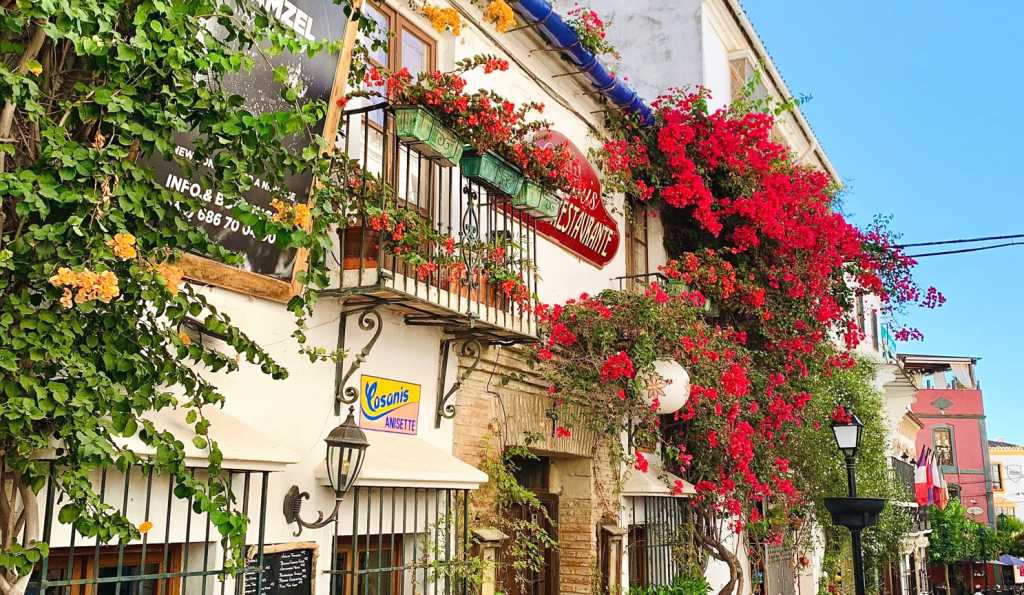
old town marbella

Walk Along the Promenade

Spring is a pleasant time to walk or cycle along Marbella’s seafront. Follow the promenade towards the Golden Mile and Puerto Banús or stop for lunch overlooking the Mediterranean.

The weather may be suitable for sitting on the beach, although warm swimming conditions are not guaranteed in late March.

Visit a Beach Club or Chiringuito

Easter often marks the beginning of Marbella’s spring season. Many beach restaurants and some beach clubs reopen around this period, but opening dates vary.

Check the venue’s Easter opening date and reserve ahead during the Marbella Easter weekend.

Play Golf or Enjoy the Outdoors

Marbella’s spring temperatures are well suited to golf, walking and other outdoor activities. Golf courses can become busy during the school holidays, so reserve tee times in advance.

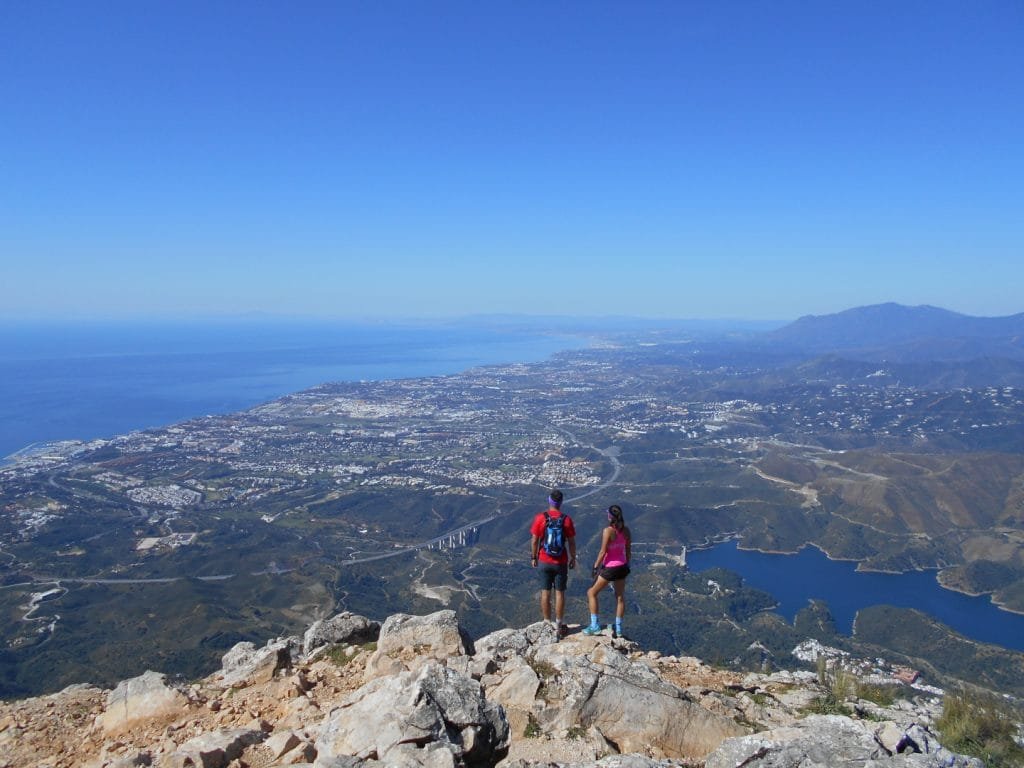
For walking, Cruz de Juanar offers woodland paths and coastal viewpoints, while Sierra de las Nieves provides a wider choice of countryside routes. La Concha is considerably more demanding and should only be attempted by properly equipped, experienced hikers in suitable weather.

la concha marbella
Hiking La Concha | Photo: Marbella Tourism

Take a Day Trip from Marbella

Málaga holds one of Spain’s best-known Semana Santa celebrations. Its processions are considerably larger and more crowded than Marbella’s. Public transport is generally more practical than driving because the centre is affected by extensive road closures and parking restrictions.

For a change of scenery, consider Ronda, Estepona or one of the white villages near Marbella. A guided walking tour of Ronda is an easy way to discover its historic centre and dramatic viewpoints. In Estepona, combine a walk through the flower-filled Old Town with a visit to the Orchidarium, where tropical species bloom throughout the year.

easter week in marbella
Photo credit: Chris Boland

Find Your Easter Adventure in Marbella

Make the most of the spring sunshine with unforgettable local activities.

Easter in Marbella With Children

Palm Sunday and Easter Sunday are generally the most accessible procession days for families. The atmosphere is livelier, and events usually take place earlier than the late-night processions.

When visiting with children:

  • – Choose an open viewing area instead of a narrow street.
  • – Bring water and a snack.
  • – Keep a safe distance from the moving floats.
  • – Do not expect young children to stand through an entire procession.
  • – Identify an exit route before the crowd becomes dense.
  • – Check road closures before travelling with a pushchair.

International hotels, restaurants and children’s venues sometimes organise Easter brunches, egg hunts and holiday camps. These are commercial events rather than traditional Spanish Semana Santa celebrations, and their dates change every year.

Marbella Club Kids Club, La Sala and Happy Times Kids Club often announce Easter activities such as egg hunts, themed breakfasts and holiday workshops. Check each venue’s current programme before booking. Our guide to things to do in Marbella with kids.

Related Reading to Marbella

Disclosure: All listings featured on TAO LIVIN’ are independently selected by our editors. If you click through and book something through our links, we may earn a commission at no extra cost to you. Thanks for your support!